Deepdive
(Advertisement)


What Does Pi Network Joining RoboPay Mean For Pi Holders?

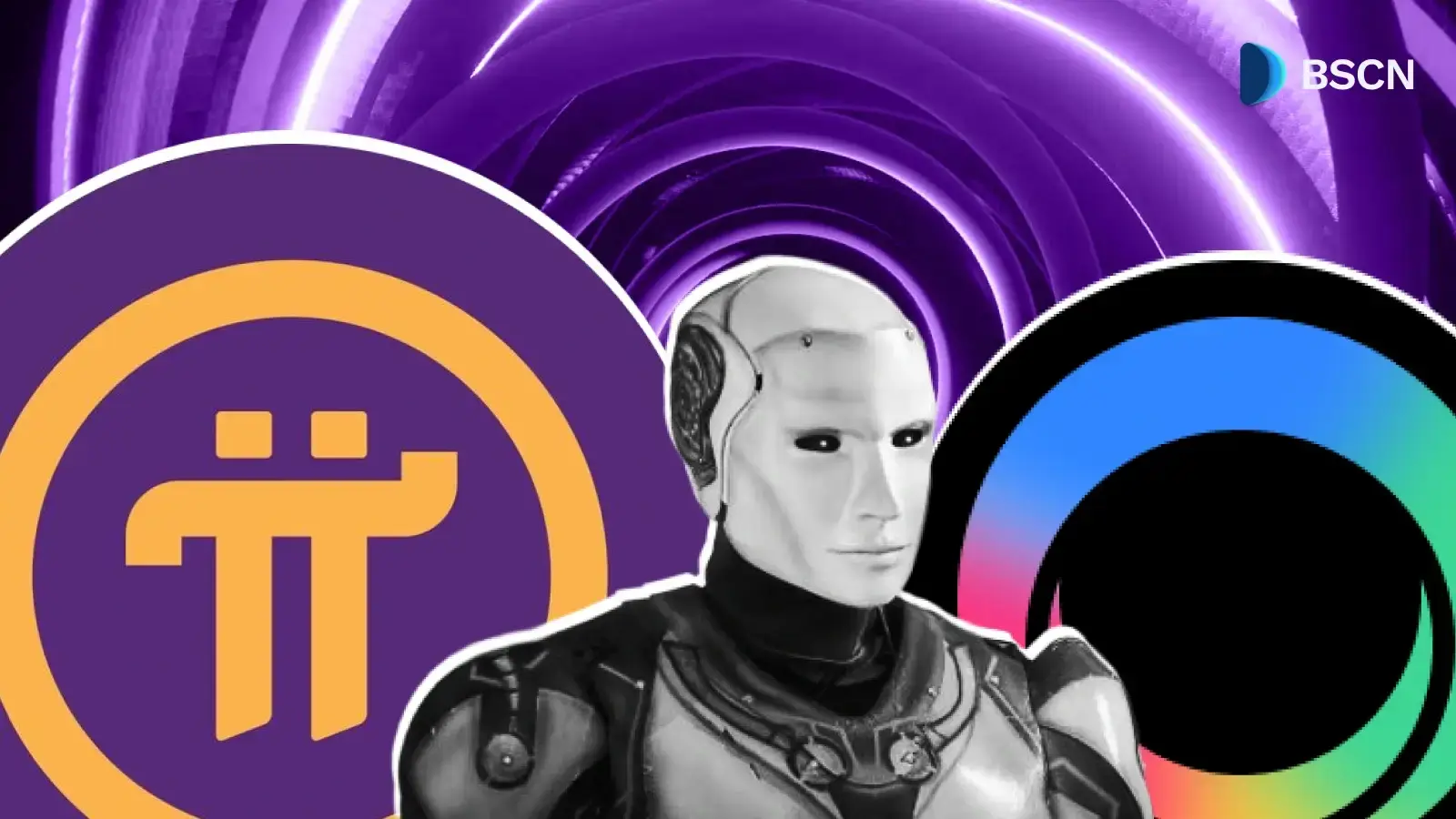
Pi Network has joined RoboPay as a payment partner, letting Pi holders pay for real-world robot services through Fabric Foundation's network.

Soumen Datta
August 5, 2026

(Advertisement)
Table of Contents
Pi Network has joined RoboPay, the robot payment infrastructure built by Fabric Foundation, as a payment partner. This means Pi token holders will eventually be able to use Pi they already hold to pay for real-world robot services, rather than needing a separate currency or account for each provider.
What Is RoboPay?
RoboPay lets developers turn robot capabilities into paid, on-demand actions. A developer defines a robot skill, sets pricing and execution rules, and the system handles the rest: it receives a payment-authorized request, executes the task, and returns a structured result once the robot finishes or rejects the action.
Fabric Foundation calls this pattern pay-to-actuate. It works across humanoid robots, robotic arms, mobile robots, drones, cameras, and simulators. Requests can come from a web app, a marketplace, an enterprise workflow, another machine, or an AI agent.
How Would Pi Holders Use Robot Services?
Once the integration is live, Pi's role is straightforward: it becomes one of the currencies RoboPay accepts for robot tasks. Anticipated services include:
- Requesting a delivery robot to bring groceries
- Dispatching a security robot to patrol a property
- Scheduling an inspection robot for an industrial facility
- Interacting with humanoid assistants in retail or hospitality settings
Buying Outcomes Instead Of Robots
The shift here is that users would purchase an outcome, not a machine. Instead of owning a delivery robot, a Pi holder could pay for a single delivery, the same way someone pays for a ride instead of buying a car.
Why Does This Fit Pi Network's Broader Strategy?
This is not Pi Network's first move into robotics. Pi Network Ventures made its first-ever investment in OpenMind, the company that built the Fabric protocol, in October 2025. OpenMind describes Fabric as infrastructure that lets machines identify, verify, and cooperate with each other, and RoboPay is the payment layer built on top of it. Joining as a payment partner extends that earlier bet into a live use case for everyday Pi holders rather than a venture-fund position alone.
What Else Is Fabric Foundation Building?
Alongside the Pi partnership, Fabric Foundation is running a RoboPay Integration Bounty to grow the developer ecosystem.
- The bounty pool totals 1,000,000 ROBO tokens
- It covers 12 robot platforms across humanoids, robotic arms, and robot dogs
- Each platform has four integration tasks of increasing difficulty
- Rewards go to the first approved pull request for each task
- Submissions close August 21, 2026, at 00:00:00 PT
Developers apply through the Bounty Marketplace, choose a robot and task tier, then submit a pull request on GitHub that Fabric's team reviews against published success criteria.
What Does This Mean For PI Price And Users?
PI traded near $0.085 this week, with a circulating supply of roughly 11 billion tokens and a market cap close to $918 million, according to exchange data. The token remains well below its February 2025 peak and is currently under added pressure from scheduled token unlocks. The RoboPay partnership adds a new utility case for Pi rather than an immediate price catalyst, since the robot services described are not yet live for the general public.
Conclusion
Pi Network's partnership with RoboPay gives Pi holders a path to pay for real-world robot services, from deliveries to security patrols, using tokens they already hold. It builds on Pi Network Ventures' earlier investment in OpenMind and connects Pi to a broader machine economy that Fabric Foundation is building through RoboPay and its developer bounty program. The rollout of actual consumer-facing robot services has not yet been confirmed.
Discover Promising Projects...
Promising Projects...
(Advertisement)
Resources
Report by Fabric Foundation: Introducing RoboPay
Fabric Foundation on X: Posts (August, 2026)
Report by Bitget: Pi Network Ventures Backs OpenMind's Decentralized OS For Robots
Fabric Foundation on GitHub: RoboPay Integration Bounty Wiki
Read Next...



Frequently Asked Questions
Disclaimer
Disclaimer: The views expressed in this article do not necessarily represent the views of BSCN. The information provided in this article is for educational and entertainment purposes only and should not be construed as investment advice, or advice of any kind. BSCN assumes no responsibility for any investment decisions made based on the information provided in this article. If you believe that the article should be amended, please reach out to the BSCN team by emailing [email protected].
Author
 Soumen Datta
Soumen has been a crypto researcher since 2020 and holds a master’s in Physics. His writing and research has been published by publications such as CryptoSlate and DailyCoin, as well as BSCN. His areas of focus include Bitcoin, DeFi, and high-potential altcoins like Ethereum, Solana, XRP, and Chainlink. He combines analytical depth with journalistic clarity to deliver insights for both newcomers and seasoned crypto readers.
(Advertisement)
Latest News
5h : 42m ago

Why Isn't Institutional Adoption Reflected in Crypto Token Prices in 2026?
9h : 27m ago

What Did Six Years of Cardano Staking Get Right?
August 12, 2026

Inside LUNC's Community-Run Burn Tax: Does Burning Dead Supply Actually Work?
August 12, 2026

"Network Of Networks": How Canton Lets Banks Share A Ledger Without Sharing Their Data
August 11, 2026

What Could the CLARITY Act Mean for XRP’s Legal Status?
August 11, 2026

Why Did Vitalik Buterin Put Quantum Safety First In Ethereum's Roadmap?
August 10, 2026

What Could Pi Network’s European Regulatory Filing Mean for Its Future?
August 10, 2026

How Does Chain Fusion Let Internet Computer Connect With Bitcoin?
(Advertisement)

Crypto Project & Token Reviews
Project & Token Reviews
Comprehensive reviews of crypto's most interesting projects and assets
Learn about the hottest projects and tokens

Latest Crypto Articles
Get up to date with the latest crypto news stories and events